Explore Our Services
This is what comprehensive care looks like for first responders—not a checklist, not a one-time physical, but a system built to keep you ready for the long haul.
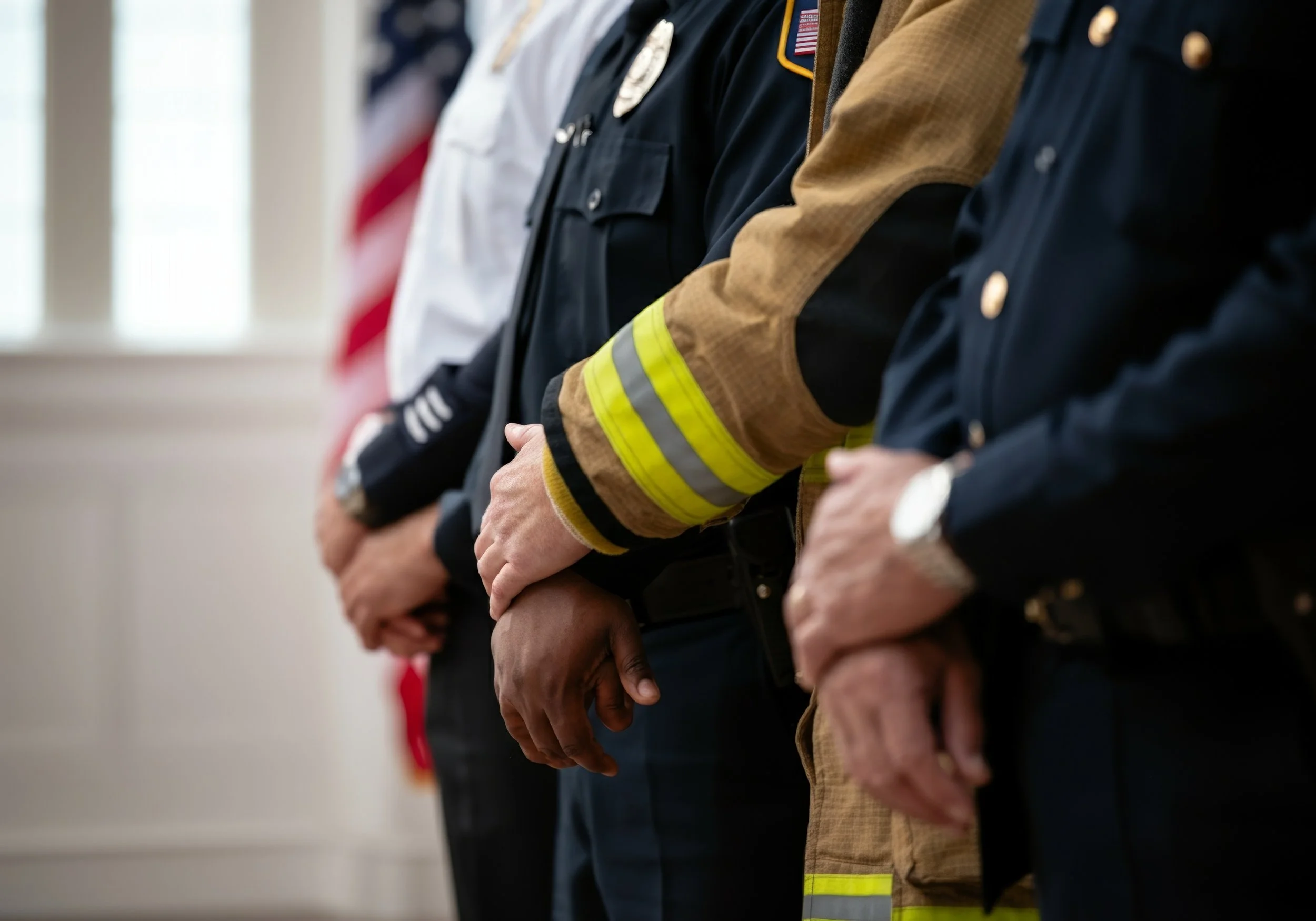
360 Responder Health & Medical brings everything together—medical evaluations, cardiovascular and cancer screening, behavioral health, performance, recovery, and data—into one connected approach designed for the realities of the job. Law enforcement, fire, EMS, dispatch—different roles, same demands: high stress, unpredictable environments, and the expectation to perform when it matters most. Every service is built to meet that reality—catching risk early, turning data into decisions, and giving both individuals and departments clear, actionable next steps.
Because protecting readiness isn’t about reacting after something goes wrong—it’s about building a system that supports your health, your performance, and your career, every step of the way.
Services We Offer:
-
• NFPA-aligned pre-hire and annual occupational medical exams
• Advanced cardiovascular, cancer, and metabolic screening
• Risk stratification and individualized health reports
-
• VO₂max / CPET testing and interpretation
• Early detection of cardiovascular disease risk
• Ongoing monitoring and prevention planning
-
Mental health screening and early identification
Peer support integration and guidance
Access to culturally competent behavioral health resources
-
Functional movement screening and injury prevention
Individualized fitness programming
Return-to-duty and post-injury rehabilitation support
-
Risk-based cancer screening protocols
Navigation and follow-up for abnormal findings
Integration of emerging screening technologies
-
Sleep disorder screening and education
Fatigue risk management strategies
Recovery optimization for shift work demands
-
Individual health dashboards and trend tracking
Department-level analytics and risk profiling
Actionable reporting to inform policy and programming
-
Health, wellness, and safety program assessments
Policy and protocol development
Implementation support aligned with NFPA and best practices
-
Provider training on responder-specific health needs
Department workshops and leadership training
Evidence-based resources and ongoing education